
Recovering lost revenue in the attraction industry requires a precise understanding of guest intent. For many operators, the first step is recognising the critical difference between an abandoned cart and an abandoned checkout.
An abandoned cart occurs when a guest adds items to their session but never initiates the checkout process. Because they haven't progressed, their contact details may be entirely absent, making direct recovery impossible. An abandoned checkout, however, happens after a guest starts the process and provides their contact information before dropping off. This captured data makes recovery significantly easier and highly actionable.
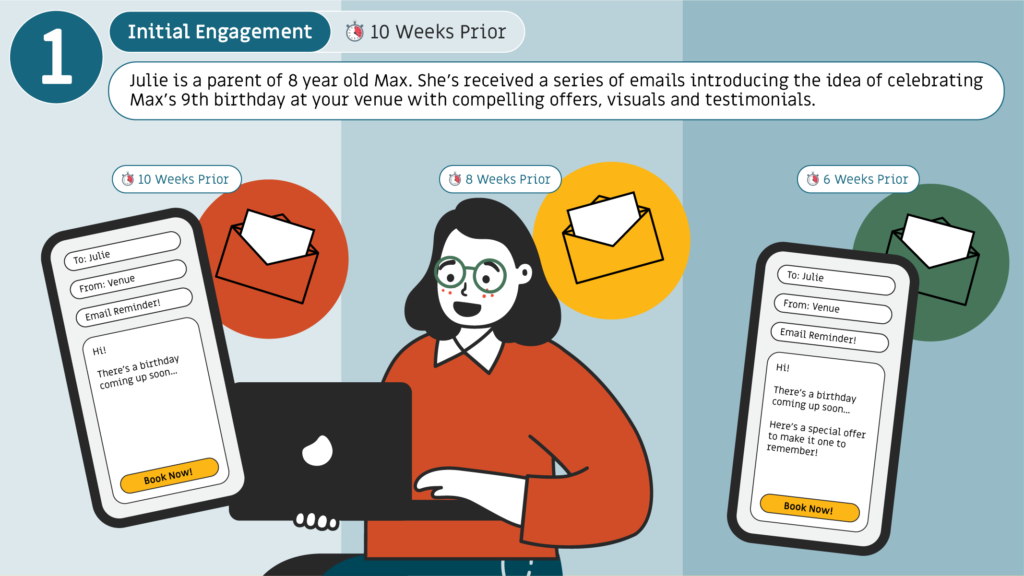
By connecting ROLLER via the Smart Segments ROLLER Connector directly to marketing platforms like Klaviyo or HubSpot, operators can automatically trigger targeted recovery flows. When a checkout is abandoned, the system can engage these high-intent guests before they lose interest, opening a route back to purchase.
The cost of doing nothing
Abandoned purchases are not cold leads. These guests have already browsed, selected an experience, and moved close to booking. Distraction, uncertainty, or a small amount of checkout friction can be enough to make them pause—but a pause does not have to become a permanent loss.
If a venue sees 500 abandoned carts or checkouts each month at an average order value of $120, recovering just 10% would represent $6,000 per month or $72,000 annually.
Illustrative example from the source playbook—not a forecast for every venue.
Connect the signals before you automate
Personalised recovery depends on the systems being able to share the right context. A connected ticketing and marketing stack can identify what a guest was booking or purchasing, preserve details such as their name or selected tickets, and give the follow-up flow a more relevant starting point than a generic reminder.
A recovery flow that works in the background
Once the connection is in place, automation can take over the repetitive work. The flow identifies the abandoned action, passes the useful guest and session context to the marketing platform, and sends a carefully timed reminder. Email can bring the guest back to the selected experience; SMS can act as a shorter, immediate nudge when the venue has the right consent and channel setup.
The source playbook also highlights the importance of acting on real-time availability and pricing where the workflow supports it. That keeps the message aligned with what the guest saw and avoids asking them to repeat the entire discovery process.
Gumbuya World averaged $26,000 in recovered monthly revenue during summer holidays from an abandoned-checkout flow.
Read the full abandoned purchase playbook for the source workflow, then compare the ROLLER + Klaviyo and ROLLER + HubSpot pairings.