Guests no longer discover attractions through a single channel or a simple web search. The modern guest journey spans search engines, social media, review sites, local listings, and multiple return visits before a booking is ever made.
This shift is accelerating rapidly. According to ROLLER's 2026 Pulse Report, 44.3% of guests begin their research on a search engine, while an overwhelming 82.1% state they would use an AI-generated venue summary either directly or alongside the venue's own website. The adoption is already here: 54.1% have already used an AI assistant to help plan or book an attraction visit, with a further 34% interested in doing so.
For venue operators, the strategic opportunity is not to replace the human element of the guest experience with AI. Instead, the focus should be on making underlying venue information easier to find, using connected data to answer better questions, and automating the next helpful action.
Discovery is the start of the journey
The useful question is not only how a guest found your venue. It is what they did next, and whether your teams can respond with context. A booking, product purchase, check-in, waiver completion, or abandoned checkout can each become a helpful signal when it is connected to the right guest profile and marketing destination.
The Adventure Air case study shows what that looks like in practice. By connecting ROLLER sales data with Klaviyo, the venue could work with product-level purchase behaviour, check-ins, and waiver completions rather than relying on broad audience lists. That supported welcome SMS messages, abandoned-cart recovery, birthday campaigns, upsell opportunities, and reporting in the same communication ecosystem. Read the full Adventure Air case study.
Four practical ways to turn interest into action
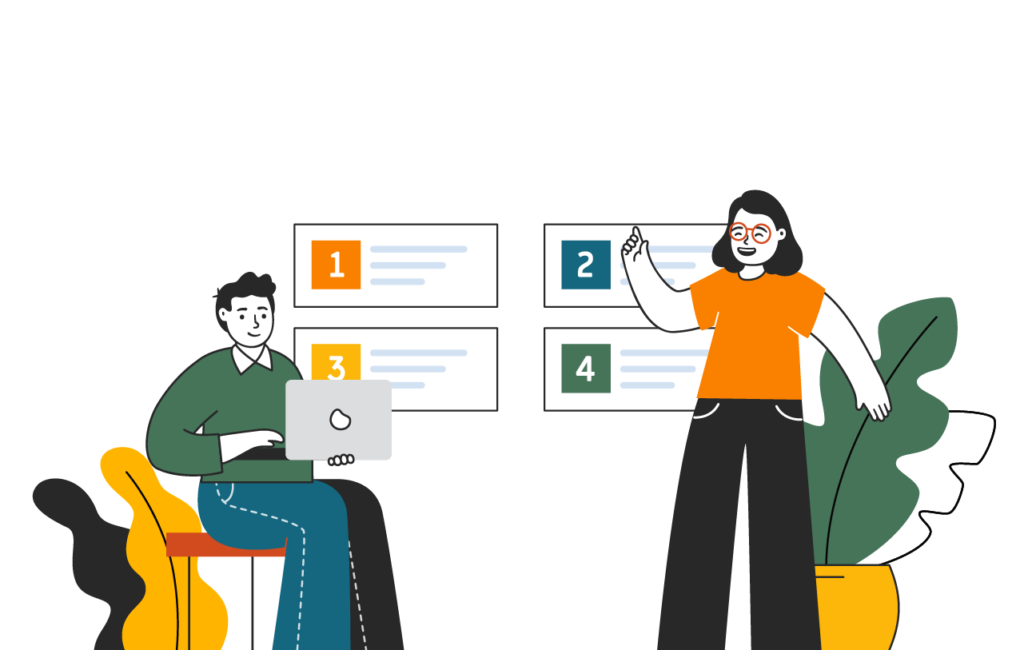
AI-assisted discovery only becomes valuable when a venue can follow through. The existing Smart Segments playbooks point to a set of practical, connected workflows that operators can adapt to their own guest journey:
- 01Keep the conversation moving. Email and SMS flows can respond to purchase, booking, waiver, membership, check-in, and post-visit signals instead of sending every guest the same promotion. Explore the email and SMS marketing guide or see the ROLLER + Klaviyo pairing.
- 02Recover high-intent drop-off. Separate abandoned carts from abandoned checkouts, then use the captured contact details from a checkout to trigger a timely recovery message. The abandoned purchase playbook shows the pattern across HubSpot, Klaviyo, and other marketing destinations.
- 03Make family intent useful. A child’s birthday signal is most useful when the communication reaches the parent organising the celebration. The minor birthday flow maps a planning sequence from early party-package consideration through confirmation, preparation, and post-booking follow-up.
- 04Give teams a way to ask better questions. Connected venue context can support human review, reporting, or AI-assisted analysis. Explore the ROLLER + Claude pairing alongside the wider AI Venue Intelligence approach.
From AI insight to the next useful guest message.
The right destination depends on the workflow: use Klaviyo, HubSpot, Mailchimp, or Brevo for guest communications, and Claude for AI-assisted questions and analysis. Browse the current ROLLER pairings before you plan the next connection.